

Solve common challenges in ASCC surveillance
sooner and more definitively.

Up to 30% of patients with HPV-driven ASCC will experience persistent disease or recurrence.1

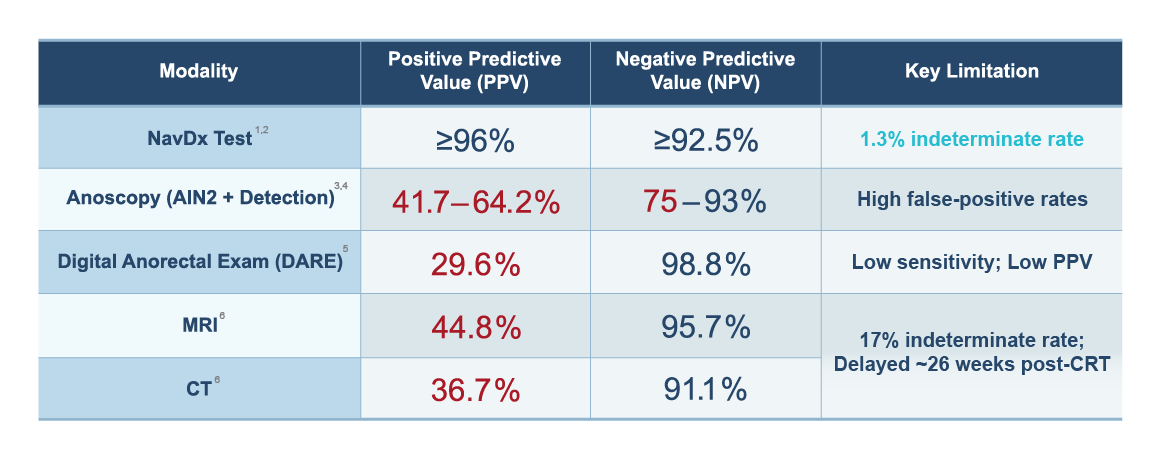
Imaging is typically delayed until ~26 weeks post-treatment due to treatment-related inflammation, fibrosis, and tissue changes that make earlier imaging unreliable, creating a window where disease is otherwise unmonitored.

Standard surveillance modalities often result in clinically indeterminate findings (CIFs) 1,2, with CIFs being most frequent during the first year following CRT.

NavDx® testing offers a comprehensive assessment for MRD, recurrence, and local or distant metastatic disease in both symptomatic and asymptomatic patients that outperforms standard modalities.

NavDx testing is unaffected by localized side effects of radiation therapy2 so you can begin getting valuable insight into your patient’s post-treatment cancer status at any time.

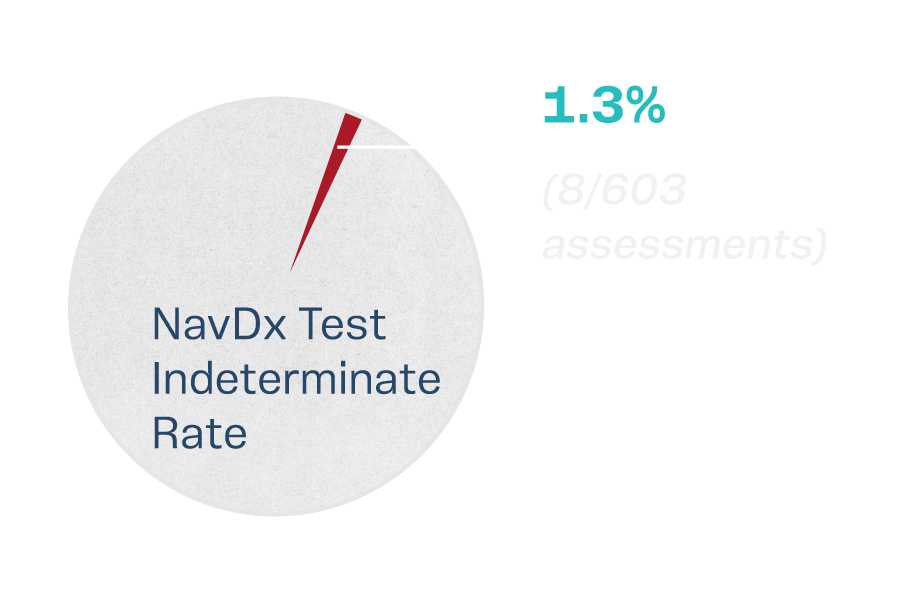
NavDx testing offers a low 1.3% indeterminate rate compared to clinical exam and imaging.2
Resolve Clinically Indeterminate Findings
with a Single Blood Draw.
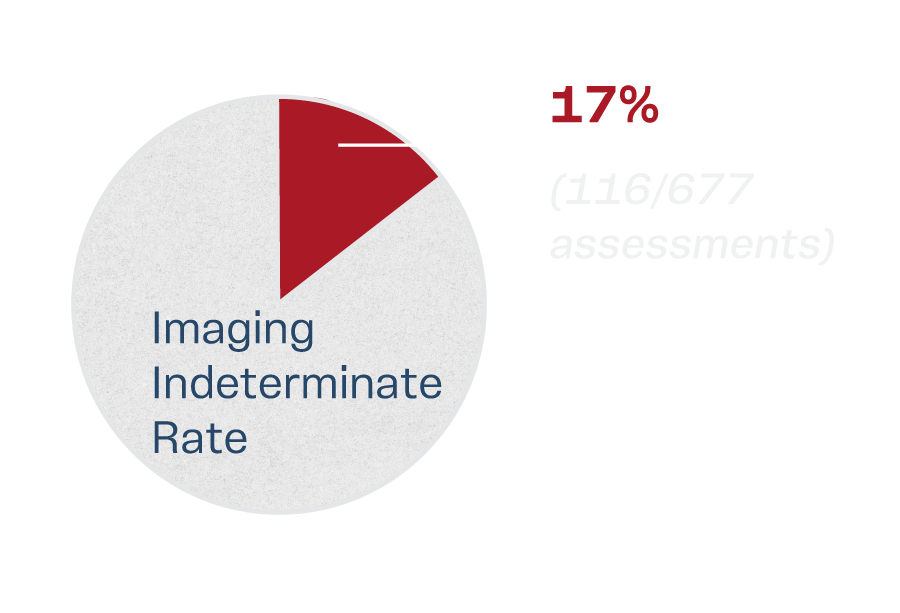
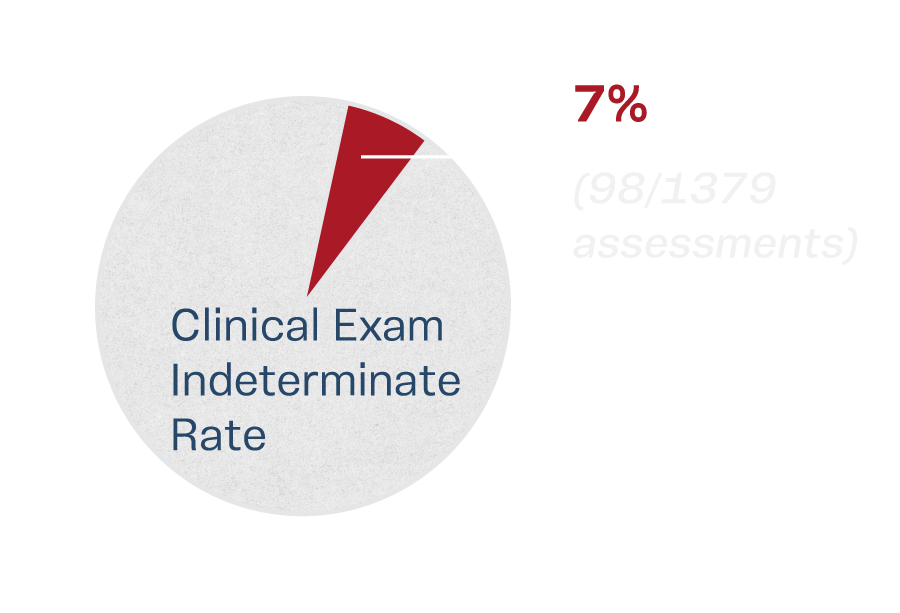
Clinically indeterminate findings (CIFs) are one of the most challenging aspects of ASCC surveillance, but NavDx testing can help resolve them. Data from two multi-site studies showed 42-44% of patients had at least one CIF during surveillance visits.1,2 Seventeen percent of indeterminate findings resulted from imaging and 7% from exams.2 NavDx testing resolved these equivocal findings with 92%-94% accuracy with a single test.1,2 And for those tests that returned a positive result, 100% concordance was found.2
Find Recurrence Sooner, with Fewer False Alarms.
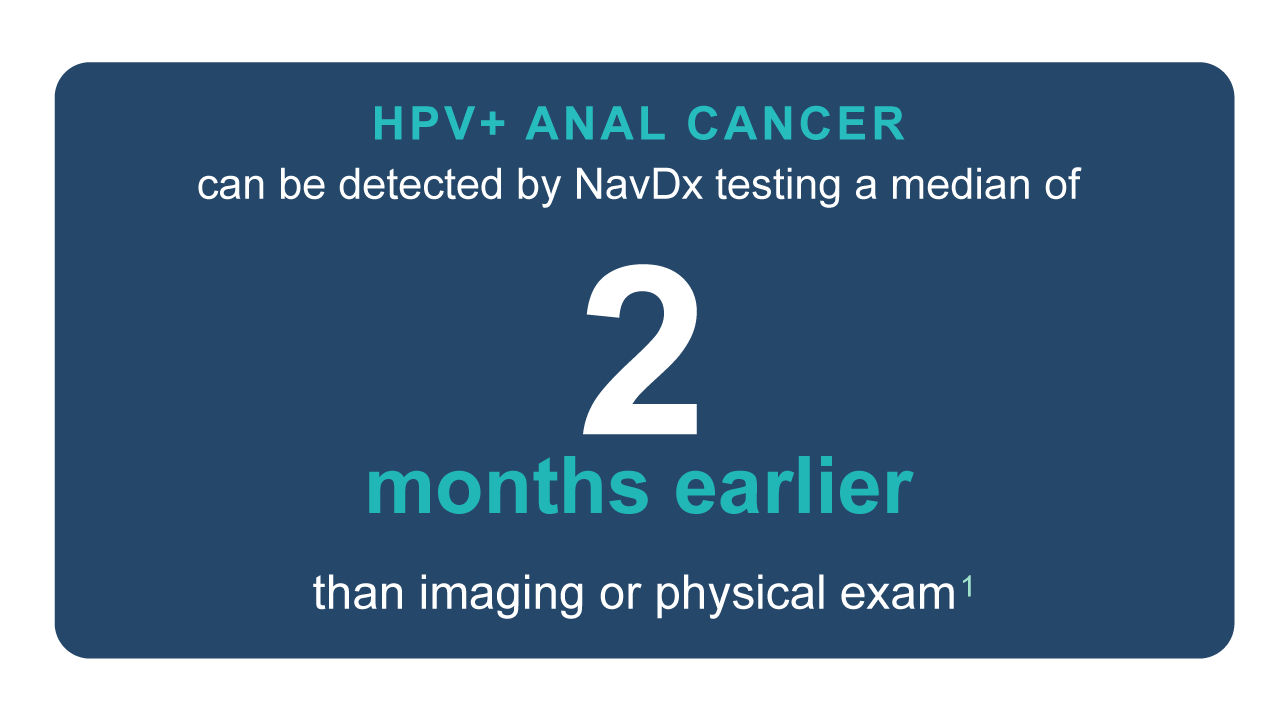
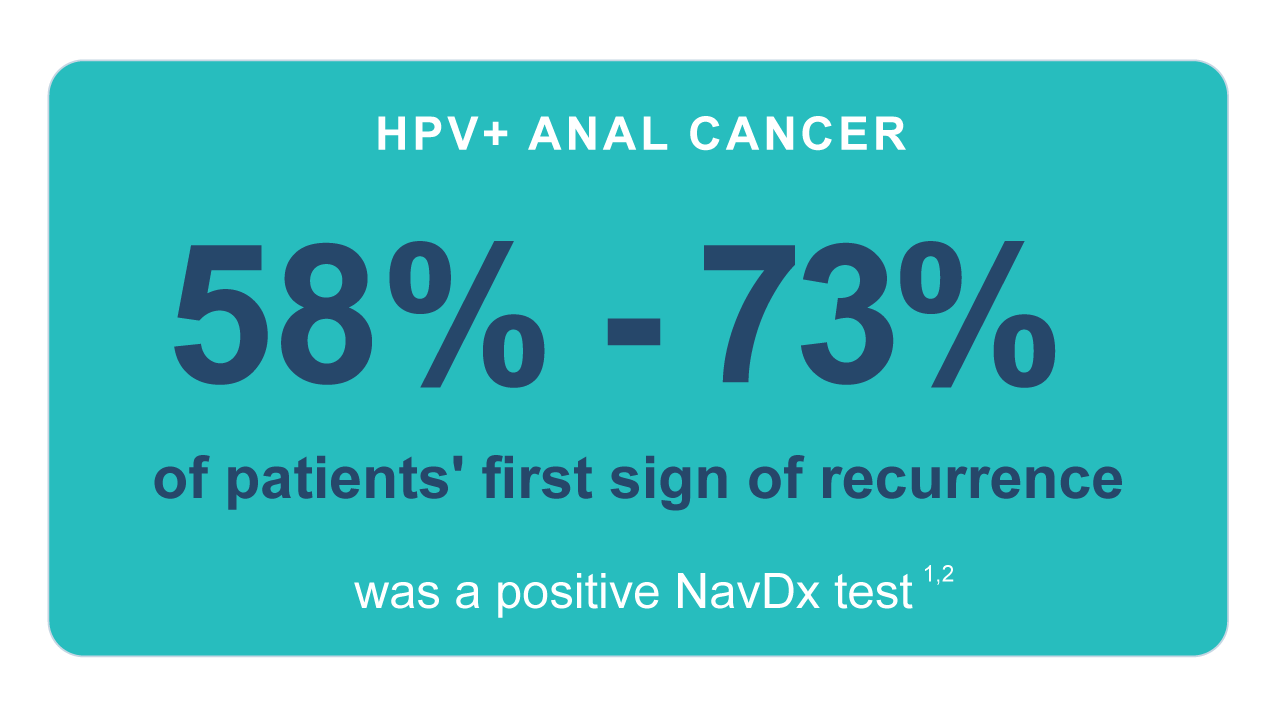
Published studies show NavDx testing enables earlier detection of recurrence versus imaging, clinical exams, or appearance of symptoms.1,2
The NavDx test’s performance metrics meet or exceed those of current guideline-specified surveillance modalities.
The NavDx Test is Different from Other Liquid Biopsies.
See why, and find more of the benefits for you and your patients.
Standard liquid biopsy tests look for cancer-related mutations in human DNA. Because HPV-driven tumors typically carry very few of these mutations, standard tests may not be the best match for your patient. The NavDx test was built specifically to detect the viral DNA that is present in HPV+ cancer cells, not mutations in human DNA.
Every patient with HPV+ cancer carries the same viral cancer-driving genes. That means the NavDx test does not need to be customized to each patient’s unique tumor profile. It was engineered with a singular purpose: To detect HPV+ cancer, with exceptional precision. Other benefits of NavDx testing include:
-
Tumor-Agnostic: Start testing at any point along the care journey with just a simple blood draw. No baseline test needed. No tumor tissue needed. No genomic profile. No custom assay.
-
Faster Results: Get results within 7 business days of receipt of the specimen at our lab.
-
Medicare Coverage: NavDx testing for surveillance of HPV+ anal squamous cell carcinoma is covered under Medicare when test-specific medical necessity criteria are met, so eligible fee-for-service beneficiaries typically have $0 out-of-pocket cost.
-
Accessible Phlebotomy Options: NavDx-Arranged Phlebotomy, supported by our responsive in-house Patient Navigation Team, lets patients choose where they have their blood drawn, making testing more convenient and accessible.
Comprehensive Resources and Support.
Learn how to use NavDx testing in clinic
Discover how easy it is to implement testing for your clinical staff
Explore peer-reviewed research
Order a test
NavDx Testing by the Numbers

120,000
+
Tests performed across all indications7

58
+
Peer-reviewed publications from 50 unique studies7

≤
7Business day turnaround time for results7
Do you have any questions about the NavDx test? We’re here to help. Fill out the form and a Naveris Product Development Representative will contact you.
- Kabarriti R, Lloyd S, Jabalee J, et al. Evaluating tumor tissue modified viral (TTMV)-HPV DNA for the early detection of anal squamous cell carcinoma recurrence. Cancers. 2025. http://doi.org/10.3390/cancers17020174.
- Kabarriti R, Lloyd S, Jabalee J, et al. Resolving clinically indeterminate findings during anal cancer surveillance with TTMV-HPV DNA. Cancers. 2026. http://doi.org/10.3390/cancers18010035.
- Gimenez F, Costa-e-Silva IT, Daumas A, Araújo, Jd, Medeiros SG, and Ferreira, L. The value of high-resolution anoscopy in the diagnosis of anal cancer precursor lesions in HIV-positive patients. Arq. Gastroenterol. 2011. http://doi.org/10.1590/S0004-28032011000200010.
- Brenes D, Kortum A, Carns J, Mutetwa T, Schwarz R, Liu Y, Sigel K, Richards-Kortum R, Anandasabapathy S, Gaisa M, and Chiao, E. Automated in vivo high-resolution imaging to detect human papillomavirus–associated anal precancer in persons living with HIV. Clinical and Translational Gastroenterology. 2023. http://doi.org/10.14309/ctg.0000000000000558.
- Ang CW, Dawson R, Hall C, and Farmer M. The diagnostic value of digital rectal examination in primary care for palpable rectal tumour. Colorectal Disease. 2008. https://doi.org/10.1111/j.1463-1318.2007.01381.x.
- Adusumilli P, Elsayed N, Theophanous S, Samuel R, Cooper R, Casanova N, Tolan DJ, Gilbert A, and Scarsbrook AF. Combined PET-CT and MRI for response evaluation in patients with squamous cell anal carcinoma treated with curative-intent chemoradiotherapy. Eur Radiol. 2022. http://doi.org/10.1007/s00330-022-08648-z.
- Naveris, Inc. (now a part of CareDx) data on file. Data valid as of December 31, 2025.